

Can a straightener be used on fine hair?
Nov 05, 2025
Fine hair is a common hair type characterized by its thin strands and often lack of volume. Many people with fine hair wonder if it's safe and beneficial to use a straightener on their locks. As a straightener supplier, I'm here to provide you with in - depth insights into this topic.
Characteristics of Fine Hair
Fine hair has a smaller diameter compared to medium or thick hair. This makes it more fragile and prone to damage. The cuticles of fine hair are also more delicate, which means they can be easily lifted or damaged by heat, chemicals, and rough handling. Fine hair often has less natural body and can look limp and flat. It may also be more difficult to style and hold a curl or straight look for an extended period.
Potential Risks of Using a Straightener on Fine Hair
Heat Damage
One of the primary concerns when using a straightener on fine hair is heat damage. High temperatures can cause the hair shaft to lose moisture, leading to dryness, breakage, and split ends. Since fine hair has less mass, it can absorb heat more quickly, making it even more vulnerable to damage. Excessive heat can also damage the protein structure of the hair, weakening it over time.
Loss of Volume
Another risk is the potential loss of what little volume fine hair has. Straightening can flatten the hair further, making it look even thinner and less full. If the straightener is used too often or at too high a temperature, it can cause the hair to become permanently limp.
Benefits of Using a Straightener on Fine Hair
Smoothing and Shining
When used correctly, a straightener can smooth the cuticles of fine hair, giving it a sleek and shiny appearance. This can make the hair look healthier and more polished. A well - straightened fine hair can also reflect light better, creating an illusion of more volume.
Styling Versatility
A straightener can offer styling versatility for fine hair. You can create different looks, from a classic straight style to loose waves or curls. For example, by using the straightener in a different way, you can achieve beachy waves or soft curls, adding some texture and dimension to fine hair.
Choosing the Right Straightener for Fine Hair
Temperature Control
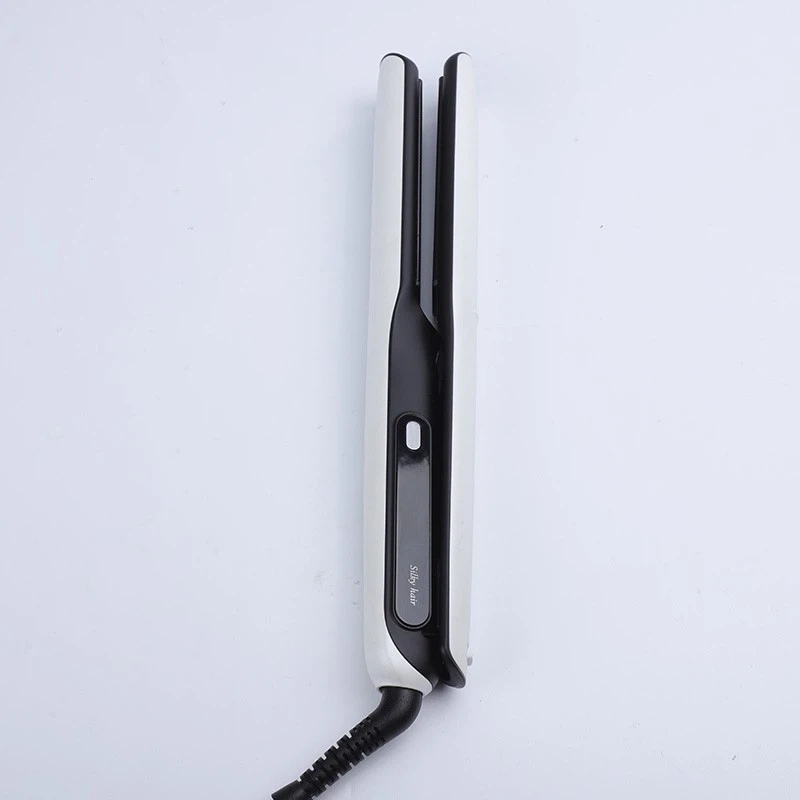
Look for a straightener with adjustable temperature settings. This allows you to set the temperature according to the needs of your fine hair. Generally, a lower temperature between 250°F - 350°F (121°C - 177°C) is recommended for fine hair. Our Cooling Air Fragrance Negative Ion Hair Iron Straightener offers precise temperature control, ensuring that you can straighten your fine hair without causing excessive heat damage.
Plate Material
The plate material of the straightener is also crucial. Ceramic plates are a great option for fine hair as they heat up evenly and distribute heat gently. They also emit far - infrared heat, which penetrates the hair shaft without overheating the surface. Tourmaline - coated ceramic plates are even better as they produce negative ions that help to seal the cuticles, reducing frizz and adding shine. Our Hair Strengthener Iron features high - quality tourmaline - coated ceramic plates, providing gentle and effective straightening for fine hair.
Additional Features
Some straighteners come with additional features that can be beneficial for fine hair. For example, a straightener with a cooling air function can help to set the style and reduce heat damage. Our Cooling Air Fragrance Negative Ion Hair Iron Straightener not only has a cooling air feature but also emits a pleasant fragrance, making your hair styling experience more enjoyable.
Tips for Using a Straightener on Fine Hair
Pre - Treatment
Before using a straightener, it's important to prepare your fine hair properly. Use a heat - protectant spray or serum to create a barrier between the hair and the heat. This can significantly reduce the risk of heat damage. You can also apply a leave - in conditioner to add moisture and nourishment to the hair.
Sectioning
Section your hair into small, manageable sections. This ensures that each section gets an even amount of heat and is straightened effectively. It also helps to prevent over - straightening and reduces the time the hair is exposed to heat.
Slow and Gentle
When using the straightener, move it slowly and gently through the hair. Avoid pulling or tugging on the hair, as this can cause breakage. Make sure to close the straightener plates gently around the hair, applying just enough pressure to straighten it.

Frequency of Use
Limit the frequency of straightening your fine hair. Using a straightener too often can cause cumulative damage. Try to straighten your hair no more than 2 - 3 times a week, and give your hair a break in between straightening sessions.
After - Care for Fine Hair
Moisturizing
After using a straightener, it's essential to moisturize your fine hair. Use a hydrating shampoo and conditioner, and consider using a hair mask once a week to replenish moisture. You can also apply a leave - in conditioner or hair oil to keep the hair soft and shiny.
Trimming
Regularly trim your fine hair to get rid of split ends. Split ends can travel up the hair shaft, causing more breakage and damage. Trimming every 6 - 8 weeks can help to keep your hair healthy and looking its best.
Conclusion
In conclusion, a straightener can be used on fine hair, but it must be done with caution. By choosing the right straightener, using it correctly, and following proper after - care routines, you can enjoy the benefits of straightening without causing excessive damage to your fine hair.
As a straightener supplier, we are committed to providing high - quality straighteners that are suitable for all hair types, including fine hair. Our Straightener Online offers a wide range of straighteners with different features and price points to meet your needs.
If you are interested in purchasing our straighteners for your business or personal use, we welcome you to contact us for procurement discussions. We are ready to offer you the best products and services.
References
- "The Science of Hair: Structure and Function" by Dermatology Journal
- "Hair Styling and Heat Damage" in the Journal of Cosmetic Science