

Can a straightening comb be used on African - American hair?
Sep 03, 2025
Can a Straightening Comb Be Used on African - American Hair?
As a supplier of straightening combs, I've encountered numerous inquiries regarding the suitability of our products for African - American hair. This is a topic of great significance, considering the unique characteristics of African - American hair and the diverse styling needs of this community. In this blog, I'll delve into the science behind it, explore the benefits and potential drawbacks, and provide practical tips for using a straightening comb on African - American hair.
The Characteristics of African - American Hair
African - American hair is known for its curly, coily, and kinky texture. This hair type has a high degree of curl pattern, which is a result of its elliptical cross - section. Unlike straight hair, which has a round cross - section, the elliptical shape causes the hair to grow in a curved pattern. Additionally, African - American hair tends to be more fragile and dry because the natural oils produced by the scalp have a harder time traveling down the hair shaft due to the curls.
How a Straightening Comb Works
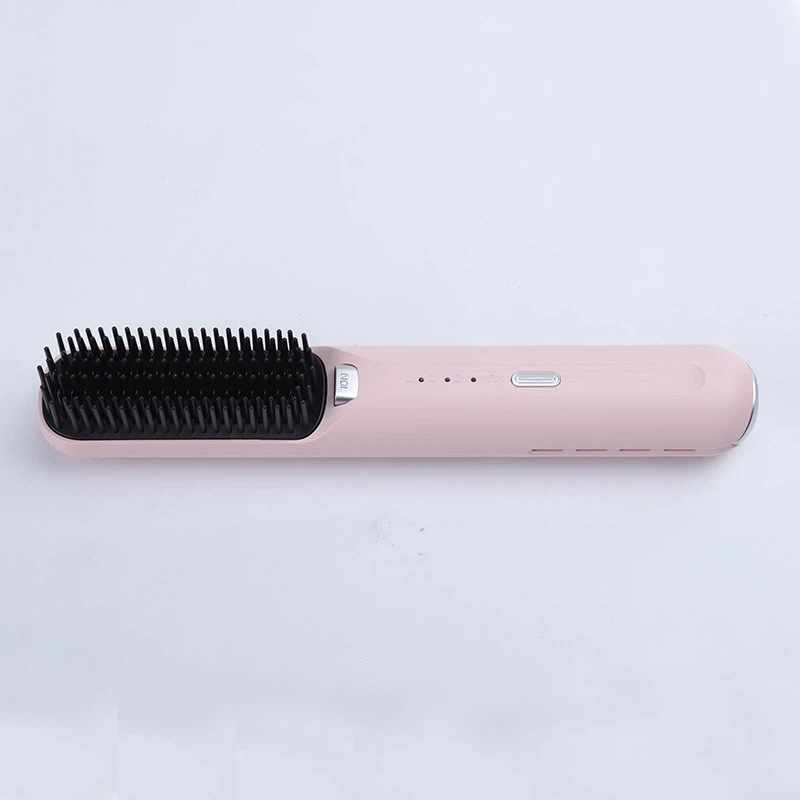
A straightening comb, such as our Straighten Brush, is designed to use heat to reshape the hair. The comb is heated to a specific temperature, and as it passes through the hair, the heat breaks down the hydrogen bonds in the hair structure. These bonds are responsible for holding the hair in its natural shape. Once the bonds are broken, the comb can straighten the hair into a new shape. When the hair cools down, the hydrogen bonds reform, locking in the straightened style.

Benefits of Using a Straightening Comb on African - American Hair
- Versatile Styling: A straightening comb allows African - American individuals to achieve a variety of styles. They can go from their natural curly look to a sleek, straight style for special occasions or a more professional appearance. It offers a way to switch up their look without the need for chemical relaxers, which can be harsh on the hair.
- Less Damage Compared to Some Methods: When used correctly, a straightening comb can be less damaging than traditional flat irons. The comb distributes heat more evenly across the hair, reducing the risk of concentrated heat damage. Our Travel Hair Straightener Brush is designed with advanced heat - distribution technology to ensure gentle yet effective straightening.
- Ease of Use: Straightening combs are relatively easy to use, especially for those who are new to heat styling. The comb's design allows for better control over the hair, making it easier to target specific sections and achieve a more uniform straightening effect.
Potential Drawbacks and How to Mitigate Them
- Heat Damage: If the straightening comb is used at too high a temperature or too frequently, it can cause heat damage to African - American hair. To prevent this, it's important to use a comb with adjustable temperature settings, like our Professional Rechargeable Cordless Straightening Brush. Start with a lower temperature and gradually increase it if needed. Additionally, always use a heat protectant spray before styling.
- Dryness: The heat from the straightening comb can further dry out African - American hair, which is already prone to dryness. To combat this, use a deep - conditioning treatment regularly, both before and after straightening. Look for products that contain natural oils like shea butter, coconut oil, or argan oil to hydrate the hair.
- Breakage: Due to the fragile nature of African - American hair, there is a risk of breakage when using a straightening comb. Be gentle when combing through the hair, starting from the ends and working your way up to avoid tugging on the hair. Detangle the hair thoroughly before using the straightening comb to reduce the risk of breakage.
Tips for Using a Straightening Comb on African - American Hair
- Prep the Hair: Wash and condition the hair using products formulated for curly hair. Detangle the hair while it's wet using a wide - tooth comb or a detangling brush. Apply a heat protectant spray evenly throughout the hair, focusing on the ends.
- Section the Hair: Divide the hair into small sections to ensure even straightening. This makes it easier to control the heat and reduces the risk of missing any areas.
- Adjust the Temperature: Set the straightening comb to a suitable temperature. For most African - American hair, a temperature between 300°F and 350°F is a good starting point. Test a small section of hair first to see how it reacts to the heat.
- Comb Through Slowly: Slowly run the heated straightening comb through each section of hair, starting from the roots and moving towards the ends. Make sure the comb is in full contact with the hair to achieve the best straightening results.
- Post - Styling Care: After straightening, apply a leave - in conditioner or a hair oil to seal in moisture. Avoid using any harsh styling products that can dry out the hair.
Conclusion
In conclusion, a straightening comb can be a great tool for African - American hair when used correctly. It offers a versatile and relatively gentle way to achieve a straightened look. As a supplier, we are committed to providing high - quality straightening combs that are suitable for all hair types, including African - American hair. Our Straighten Brush, Travel Hair Straightener Brush, and Professional Rechargeable Cordless Straightening Brush are designed with the latest technology to ensure effective and safe hair straightening.
If you're interested in learning more about our straightening combs or are considering purchasing in bulk for your business, we'd love to have a conversation with you. Reach out to us to discuss your specific needs and explore the possibilities of working together.
References
- Hill, K. (2018). The Science of African - American Hair. Journal of Cosmetic Science, 69(2), 101 - 110.
- Taylor, M. (2019). Heat Styling and African - American Hair: A Review. Hair Research International, 22(3), 145 - 152.
- Johnson, L. (2020). Best Practices for Straightening African - American Hair. Beauty and Haircare Magazine, 35(4), 78 - 85.