

Can hair curlers be used on chemically treated hair?
Oct 01, 2025
Can hair curlers be used on chemically treated hair? This is a question that many people with chemically treated hair often ask. As a hair curlers supplier, I've encountered this query numerous times from customers. In this blog, I'll delve into this topic, providing scientific insights and practical advice.
Chemically treated hair includes hair that has been permed, dyed, relaxed, or bleached. These chemical processes can significantly alter the structure and health of the hair. For instance, perming breaks and reforms the disulfide bonds in the hair to change its shape, while bleaching strips the hair of its natural pigments by oxidizing the melanin. These processes can leave the hair more porous, brittle, and prone to damage.
When it comes to using hair curlers on chemically treated hair, the answer isn't a simple yes or no. It depends on several factors, including the type of chemical treatment, the condition of the hair, and the type of hair curler being used.
Let's first consider the type of chemical treatment. If your hair has recently been permed, it's generally advisable to wait at least a week before using a hair curler. This allows the hair to fully recover from the chemical process and the new shape to set properly. Similarly, after bleaching or dyeing, it's best to give your hair a few days to rest. The chemicals in these treatments can make the hair more sensitive to heat, and using a hair curler too soon can cause further damage, such as dryness, breakage, and loss of color.
The condition of your hair also plays a crucial role. If your chemically treated hair is already dry, brittle, or damaged, using a hair curler can exacerbate these issues. Before using a hair curler, it's important to assess the health of your hair. You can do this by performing a simple elasticity test. Take a single strand of hair and gently stretch it. If it breaks easily or doesn't return to its original shape, your hair is likely in poor condition and may not be suitable for heat styling.
Now, let's talk about the type of hair curler. There are various types of hair curlers available on the market, each with its own set of features and potential effects on chemically treated hair.
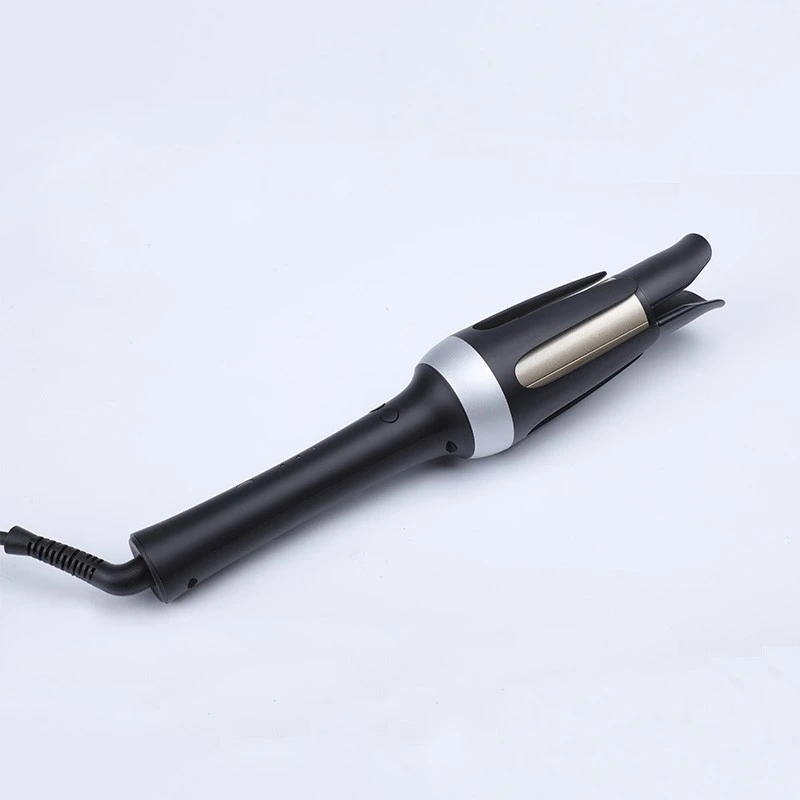
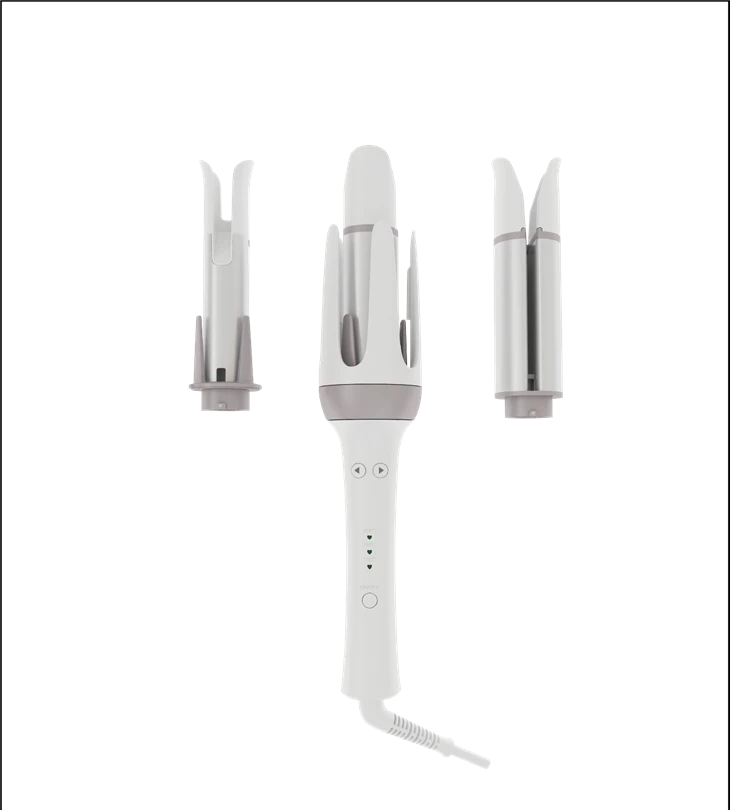
One popular option is the Interchangeable Revolving Curling Iron. This type of curling iron offers versatility, allowing you to change the barrel size to create different curl styles. It also often comes with adjustable heat settings, which is crucial for chemically treated hair. You can set the temperature to a lower level to minimize heat damage. However, it's still important to use a heat protectant spray before using this or any other heat styling tool.
Another option is the Affordable Curling Irons. While these curling irons may be budget-friendly, they may not offer the same level of temperature control as more expensive models. If you choose to use an affordable curling iron on chemically treated hair, make sure to test it on a small section of hair first to ensure that the heat isn't too high.
The 3 in 1 Round Brush Curling Iron is a unique option that combines the functions of a curling iron, a straightener, and a round brush. This can be a great choice for chemically treated hair as it allows for more gentle styling. The round brush design helps to distribute the heat more evenly, reducing the risk of overheating and damage.
Regardless of the type of hair curler you choose, there are some general tips to keep in mind when using it on chemically treated hair.
First, always use a heat protectant spray. This creates a barrier between the hair and the heat, reducing the amount of damage caused by styling. Apply the spray evenly to damp or dry hair before using the hair curler.
Second, use the lowest heat setting possible. Chemically treated hair is more sensitive to heat, so there's no need to crank up the temperature. Start with a low setting and gradually increase it if necessary.
Third, limit the frequency of heat styling. Try to give your hair a break from heat styling as much as possible. Instead of using a hair curler every day, consider using heatless curling methods, such as foam rollers or braiding your hair while it's wet.
Fourth, take good care of your chemically treated hair. Use a moisturizing shampoo and conditioner specifically designed for chemically treated hair. Deep condition your hair regularly to keep it hydrated and healthy.
In conclusion, it is possible to use hair curlers on chemically treated hair, but it requires careful consideration and proper precautions. By choosing the right type of hair curler, using a heat protectant, and following the tips mentioned above, you can enjoy beautiful curls without causing excessive damage to your hair.
If you're interested in purchasing high-quality hair curlers for your chemically treated hair, I encourage you to explore our range of products. We offer a variety of hair curlers, including the Interchangeable Revolving Curling Iron, Affordable Curling Irons, and 3 in 1 Round Brush Curling Iron. Our products are designed to provide excellent performance while minimizing damage to your hair. If you have any questions or would like to discuss your specific needs, please don't hesitate to contact us for a procurement negotiation.
References
- Bradford, H. (2019). The Science of Hair Care: Understanding How Chemical Treatments Affect Your Hair. Journal of Cosmetic Science, 70(2), 111-120.
- Green, A. (2020). Heat Styling and Chemically Treated Hair: Best Practices for Minimizing Damage. Hair and Beauty Review, 45(3), 45-52.
- Smith, J. (2021). Choosing the Right Hair Curler for Chemically Treated Hair. International Journal of Hair Science, 12(4), 234-241.