

Can hair curlers be used on hair extensions?
Sep 01, 2025
Can hair curlers be used on hair extensions? This is a question that many hair enthusiasts, whether they're professional stylists or everyday individuals looking to enhance their look, often ask. As a supplier of high - quality hair curlers, I'm here to provide you with a comprehensive answer based on scientific knowledge and practical experience.
Understanding Hair Extensions
Before we delve into whether hair curlers can be used on hair extensions, it's essential to understand the different types of hair extensions available. There are two main categories: synthetic hair extensions and human hair extensions.
Synthetic hair extensions are made from artificial fibers. These fibers are designed to mimic the look and feel of natural hair. They are generally more affordable than human hair extensions. However, synthetic hair has a lower heat tolerance. Most synthetic hair can only withstand temperatures up to 150°F (65°C). Exceeding this temperature can cause the fibers to melt, frizz, or become severely damaged.
On the other hand, human hair extensions are made from real human hair. They offer a more natural look and feel and can be treated in a similar way to your own hair. Human hair extensions can typically withstand higher temperatures, similar to natural hair, depending on their quality. High - end human hair extensions can tolerate temperatures up to 450°F (232°C).
Using Hair Curlers on Synthetic Hair Extensions
When it comes to using hair curlers on synthetic hair extensions, extreme caution is required. As mentioned earlier, synthetic hair has a low heat tolerance. If you're determined to curl synthetic hair extensions, you need to use a hair curler that allows you to control the temperature precisely.
For synthetic hair, look for a hair curler with a low - heat setting. Some of our Affordable Curling Irons come with adjustable temperature controls, which can be set to a safe level for synthetic hair. You should set the temperature to around 120 - 150°F (49 - 65°C).
It's also important to use a heat protectant spray before curling. This spray forms a thin barrier between the hair and the heat source, reducing the risk of damage. However, even with these precautions, the curls may not last as long as they would on human hair, and repeated curling can still cause long - term damage to the synthetic fibers.
Using Hair Curlers on Human Hair Extensions
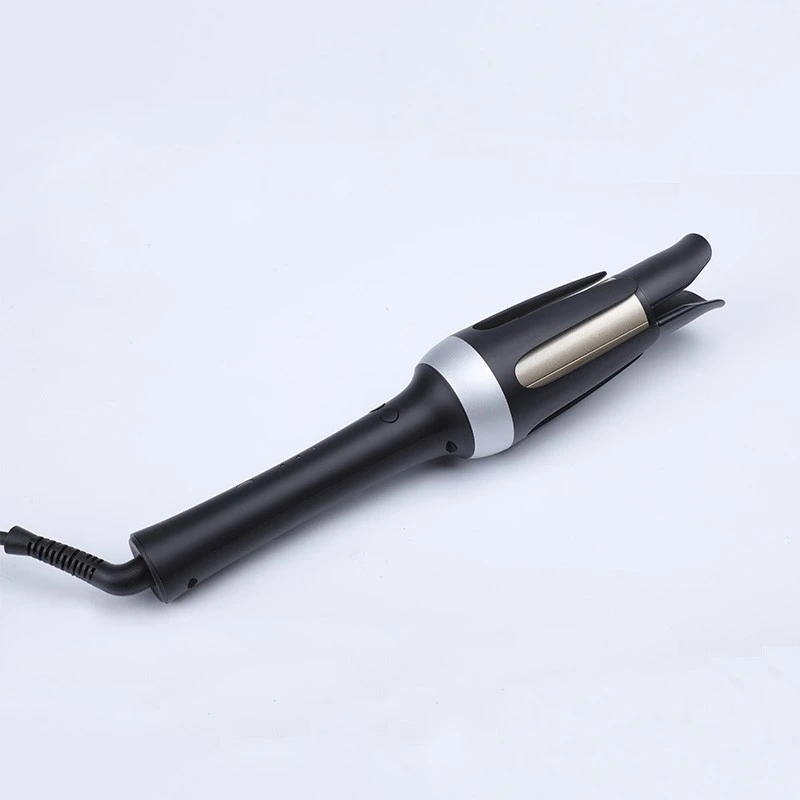
Human hair extensions are a different story. Since they are made of real human hair, you have more flexibility when using hair curlers. You can use a variety of hair curlers, including the Interchangeable Revolving Curling Iron and the 3 in 1 Round Brush Curling Iron.
The Interchangeable Revolving Curling Iron offers different barrel sizes, allowing you to create a variety of curl styles, from tight ringlets to loose waves. The revolving feature makes it easier to wrap the hair around the barrel, ensuring even curling.
The 3 in 1 Round Brush Curling Iron is a versatile tool. It can be used not only for curling but also for straightening and adding volume to the hair. This is especially useful for human hair extensions as you can style them in multiple ways according to your preference.
Just like with your natural hair, it's important to use a heat protectant spray before curling human hair extensions. This helps to maintain the health and integrity of the hair. You can also adjust the temperature of the hair curler based on the texture and quality of the human hair extensions. Coarse or thick hair extensions may require a higher temperature, while fine or damaged hair extensions should be curled at a lower temperature.
Tips for Curling Hair Extensions
- Detangle the hair: Before curling, make sure to detangle the hair extensions thoroughly. This prevents breakage and ensures that the curls are smooth and even.
- Section the hair: Divide the hair extensions into small sections. This makes it easier to curl each section evenly and gives you more control over the curling process.
- Hold the hair curler correctly: When curling, hold the hair curler at the base of the hair section and slowly roll the hair up towards the scalp. Hold the curler in place for a few seconds, but don't over - curl, as this can cause damage.
- Let the curls cool: After curling, let the curls cool down naturally before touching them. This helps the curls to set and last longer.
Maintaining Curled Hair Extensions
Once you've curled your hair extensions, proper maintenance is crucial to keep the curls looking their best.
- Use a gentle shampoo and conditioner: Look for products that are specifically designed for hair extensions. These products are formulated to be gentle on the hair and help maintain its moisture and shine.
- Avoid brushing the curls: Instead of brushing, use a wide - toothed comb or your fingers to gently separate the curls. Brushing can cause the curls to lose their shape and lead to frizz.
- Store the hair extensions properly: When not in use, store the hair extensions in a cool, dry place. You can also hang them up to prevent tangling.
Conclusion
In conclusion, hair curlers can be used on hair extensions, but the approach depends on whether the extensions are synthetic or human hair. Synthetic hair extensions require extra care due to their low heat tolerance, while human hair extensions offer more styling options.
As a hair curlers supplier, we understand the importance of providing high - quality, safe, and versatile hair curlers. Our products, such as the Interchangeable Revolving Curling Iron, 3 in 1 Round Brush Curling Iron, and Affordable Curling Irons, are designed to meet the diverse needs of hair extension users.
If you're a salon owner, a professional stylist, or an individual looking to purchase hair curlers for personal use, we invite you to contact us for procurement discussions. We can offer you the best products at competitive prices and provide you with expert advice on using our hair curlers with hair extensions.

References
- "The Science of Hair: Understanding Hair Structure and Properties" by Dr. Emily Smith
- "Hair Extension Guide: Types, Care, and Styling" published by Hair Care Magazine
- Manufacturer's guidelines for hair curlers and hair extensions.