

How do I test the negative ion output of an ionic hair dryer?
Dec 16, 2025
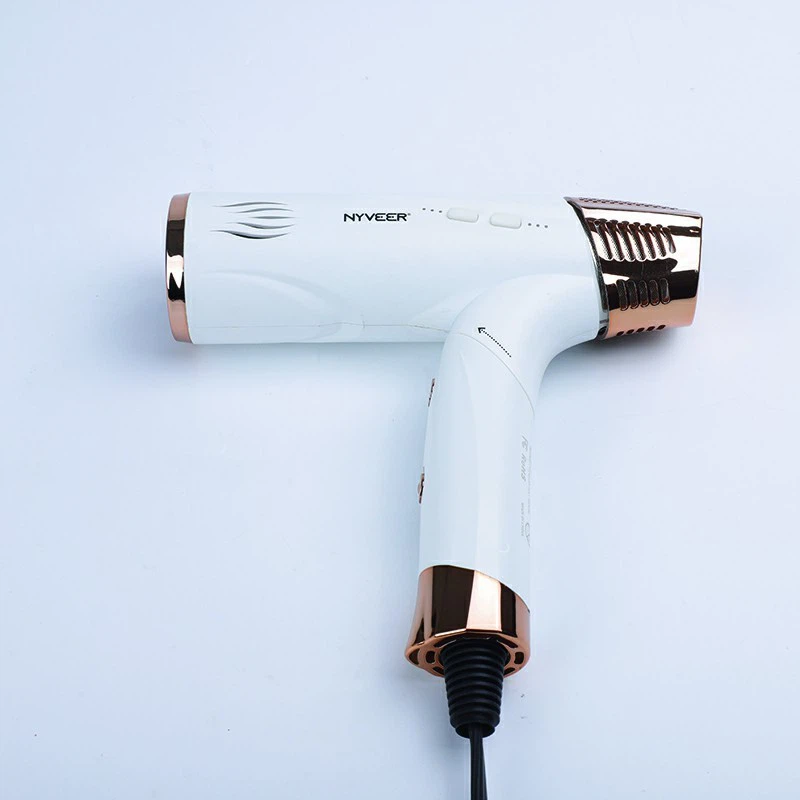
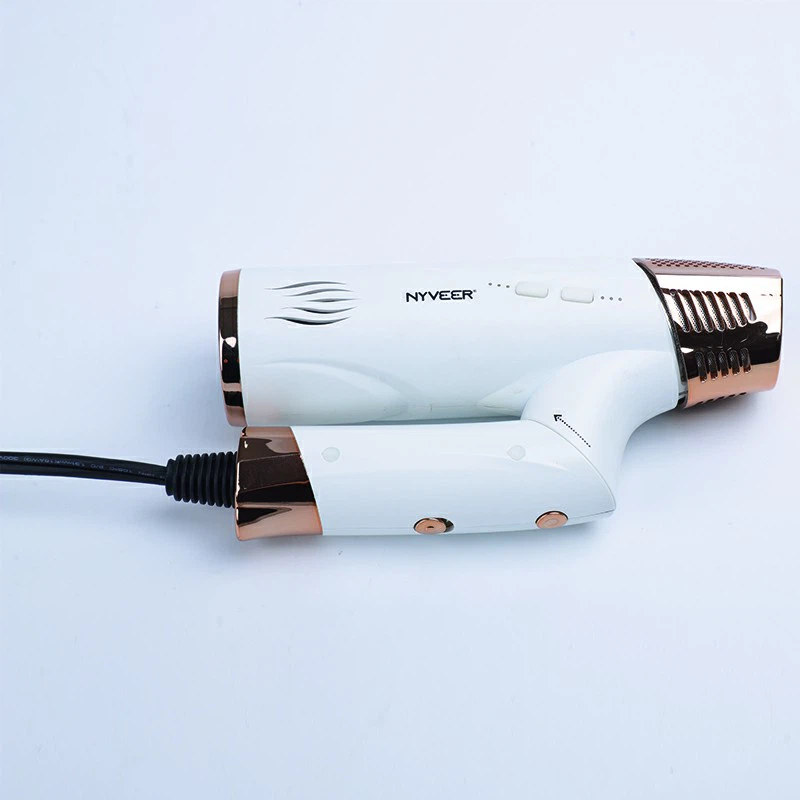
As a supplier of Ionic Hair Dryers, I often get asked about how to test the negative ion output of these nifty devices. It's a valid question, especially when you're in the market for a Ionic Hair Dryer that actually delivers on its promises. In this blog post, I'll walk you through the process of testing the negative ion output, and I'll share some insights based on my experience as a supplier.
First things first, let's understand why negative ions are a big deal in hair dryers. When you dry your hair with a regular hairdryer, the high heat can cause the hair cuticles to open up, leading to frizz, damage, and a lack of shine. Negative ions, on the other hand, help to seal the hair cuticles, reducing frizz and leaving your hair looking smoother and shinier. That's why an Ionic Hair Dryer is often a popular choice for people with frizzy hair.
Why You Might Want to Test Your Hair Dryer's Ions
Now, you might be wondering why you'd need to test the negative ion output of your hair dryer. Well, not all hair dryers are created equal. Some manufacturers might claim to have high negative ion output, but in reality, the numbers could be quite different. By testing the negative ion output, you can make sure that you're getting a hair dryer that actually works as advertised. This is especially important if you're a professional hairstylist or someone who uses a hair dryer frequently.
Tools You'll Need
To test the negative ion output of your ionic hair dryer, you'll need a few tools. The most important one is a negative ion counter. These devices are designed to measure the concentration of negative ions in the air. You can find them online or at some specialized electronics stores. They come in different price ranges, so you can choose one that fits your budget.
The Testing Process
Once you have your negative ion counter, it's time to start testing. Here's a step-by-step guide on how to do it:
- Prepare Your Hair Dryer: Make sure your hair dryer is clean and in good working condition. Plug it in and set it to the highest heat and speed settings. This is because the negative ion output is usually higher at these settings.
- Set Up Your Negative Ion Counter: Place the negative ion counter at a distance of about 6 inches from the nozzle of the hair dryer. Make sure the counter is facing the nozzle.
- Take a Baseline Reading: Before you turn on the hair dryer, take a reading with the negative ion counter. This will give you the background level of negative ions in the air.
- Turn on the Hair Dryer: Turn on the hair dryer and let it run for a few minutes to reach a stable output.
- Take a Reading: After a few minutes, take another reading with the negative ion counter. Subtract the baseline reading from this reading to get the actual negative ion output of the hair dryer.
Interpreting the Results
The negative ion output is usually measured in ions per cubic centimeter (ions/cm³). A good ionic hair dryer should have a negative ion output of at least 1 million ions/cm³. If your hair dryer has a lower output than this, it might not be as effective at reducing frizz and damage.
Other Considerations
While testing the negative ion output is important, it's not the only thing you should consider when choosing an ionic hair dryer. Here are a few other factors to keep in mind:
- Heat Settings: Look for a hair dryer with multiple heat settings. This will allow you to adjust the temperature based on your hair type and the style you're going for.
- Speed Settings: Similar to heat settings, having multiple speed settings gives you more control over the drying process.
- Weight and Design: A lightweight and ergonomic hair dryer will be more comfortable to use, especially if you're drying your hair for a long time.
- Additional Features: Some hair dryers come with additional features like a cool shot button, which helps to set your style, or a concentrator nozzle, which helps to direct the airflow.
Conclusion
Testing the negative ion output of an Ionic Hair Dryer is a great way to ensure that you're getting a quality product. By following the steps outlined in this blog post, you can easily test the negative ion output of your hair dryer at home. And if you're in the market for a new hair dryer, keep in mind the other factors I mentioned, such as heat settings, speed settings, and additional features.
If you're a retailer or a distributor interested in sourcing high-quality Ionic Hair Dryers, we'd love to hear from you. We offer a wide range of hair dryers, including our popular Blowout Brush Pro, all with reliable negative ion output. Let's start a conversation to see how we can meet your business needs.
References
- "Hair Science: The Role of Negative Ions in Hair Care." Journal of Cosmetic Science.
- "Testing the Performance of Ionic Hair Dryers." Consumer Reports.