

How do I troubleshoot an ionic hair dryer?
Oct 14, 2025
As a supplier of high - quality hair care products, specifically the Ionic Hair Dryer, I understand that even the best - made devices can sometimes encounter issues. Troubleshooting an ionic hair dryer can seem daunting at first, but with a systematic approach, most problems can be resolved quickly. In this blog, I'll share some common issues with ionic hair dryers and how to troubleshoot them.
Power - Related Problems
One of the most common issues you might face with an ionic hair dryer is a lack of power. If your Ionic Hair Dryer doesn't turn on, the first thing to check is the power source. Ensure that the hair dryer is properly plugged into a working electrical outlet. You can test the outlet by plugging in another device, like a lamp. If the other device works, the problem lies with the hair dryer.
Inspect the power cord for any visible signs of damage, such as cuts, frays, or exposed wires. A damaged cord can prevent the hair dryer from receiving power. If you notice any damage, do not attempt to use the hair dryer as it can be a safety hazard. Instead, contact a professional technician or the manufacturer for a replacement cord.
Some ionic hair dryers come with a built - in safety feature called a thermal fuse. This fuse is designed to blow if the hair dryer overheats, cutting off the power to prevent damage. If the thermal fuse has blown, the hair dryer will not turn on. To check if the thermal fuse is the problem, you'll need to open the hair dryer. However, this should only be done if you have experience working with electrical appliances. If you're unsure, it's best to take the hair dryer to a qualified repair person.
Overheating
Overheating is another common issue with ionic hair dryers. If your hair dryer shuts off during use or feels extremely hot to the touch, it may be overheating. There are several reasons why a hair dryer might overheat.
One of the main causes of overheating is a clogged air intake. The air intake is the area where the hair dryer sucks in air to blow out. If this area is blocked by hair, dust, or debris, the hair dryer will not be able to draw in enough air, causing it to overheat. To clean the air intake, unplug the hair dryer and use a small brush or a can of compressed air to remove any blockages.
Another cause of overheating can be using the hair dryer on a high - heat setting for an extended period. Most ionic hair dryers are designed to handle short bursts of high - heat use. If you use the high - heat setting for too long, the motor and heating elements can overheat. Try using a lower heat setting or taking breaks during use to prevent overheating.
Weak Airflow
If you notice that the airflow from your ionic hair dryer is weak, there could be several reasons for this. A clogged air filter is a common culprit. Similar to the air intake, the air filter can become blocked with hair, dust, and debris over time. A clogged filter restricts the airflow, making the hair dryer less effective.
To clean the air filter, first, unplug the hair dryer. Then, locate the air filter, which is usually located near the air intake. Depending on the model, the filter may be removable. If it is, remove the filter and wash it with mild soap and water. Let it dry completely before reinstalling it. If the filter is not removable, use a can of compressed air to blow out any debris.
A damaged fan can also cause weak airflow. The fan is responsible for blowing air through the heating elements and out of the hair dryer. If the fan is damaged or not working properly, the airflow will be weak. To check if the fan is the problem, you'll need to open the hair dryer. This is a complex task that should only be attempted by someone with electrical repair experience.
Ionic Function Not Working
The ionic function is one of the key features of an ionic hair dryer. It helps to reduce frizz and make hair smoother and shinier. If the ionic function is not working, there are a few things you can check.
First, make sure that the ionic function is turned on. Some hair dryers have a separate button or switch for the ionic function. Check the user manual to ensure that you're operating the ionic function correctly.
If the ionic function is still not working, it could be a problem with the ionic generator. The ionic generator is the component that produces the negative ions. Over time, the ionic generator can malfunction. This is a complex issue that usually requires professional repair. Contact the manufacturer or a qualified technician for assistance.
Noise Issues
If your ionic hair dryer is making unusual noises, such as rattling, buzzing, or grinding sounds, it could indicate a problem. A rattling sound could be caused by loose parts inside the hair dryer. This could be something as simple as a screw that has come loose or a more serious issue like a damaged fan blade.
To check for loose parts, unplug the hair dryer and gently shake it. If you hear a rattling sound, open the hair dryer (if you're experienced in doing so) and look for any loose components. Tighten any loose screws or replace any damaged parts.
A buzzing or grinding sound could be a sign of a problem with the motor. The motor is the heart of the hair dryer, and if it's malfunctioning, it can cause the hair dryer to make strange noises. If you suspect that the motor is the problem, do not attempt to repair it yourself. Instead, take the hair dryer to a professional repair person or contact the manufacturer.
Inconsistent Heat
If the heat output from your ionic hair dryer is inconsistent, it can be frustrating. This could be due to a problem with the thermostat. The thermostat is responsible for regulating the temperature of the hair dryer. If the thermostat is malfunctioning, the hair dryer may produce inconsistent heat.
To check if the thermostat is the problem, you'll need to open the hair dryer and test the thermostat with a multimeter. This is a technical task that requires some knowledge of electrical testing. If you're not comfortable doing this, it's best to take the hair dryer to a professional.
In addition to these common issues, the Blowout Brush Pro and Hairdryer for Frizzy Hair may have their own unique troubleshooting requirements. For example, the blowout brush pro may have issues with the brush bristles coming loose or the rotating mechanism not working properly.
If you're experiencing problems with any of our ionic hair dryers, including the Blowout Brush Pro and the Hairdryer for Frizzy Hair, don't hesitate to reach out to us. We're here to help you troubleshoot and resolve any issues you may have. Our team of experts is well - versed in the intricacies of our products and can provide you with the best solutions.
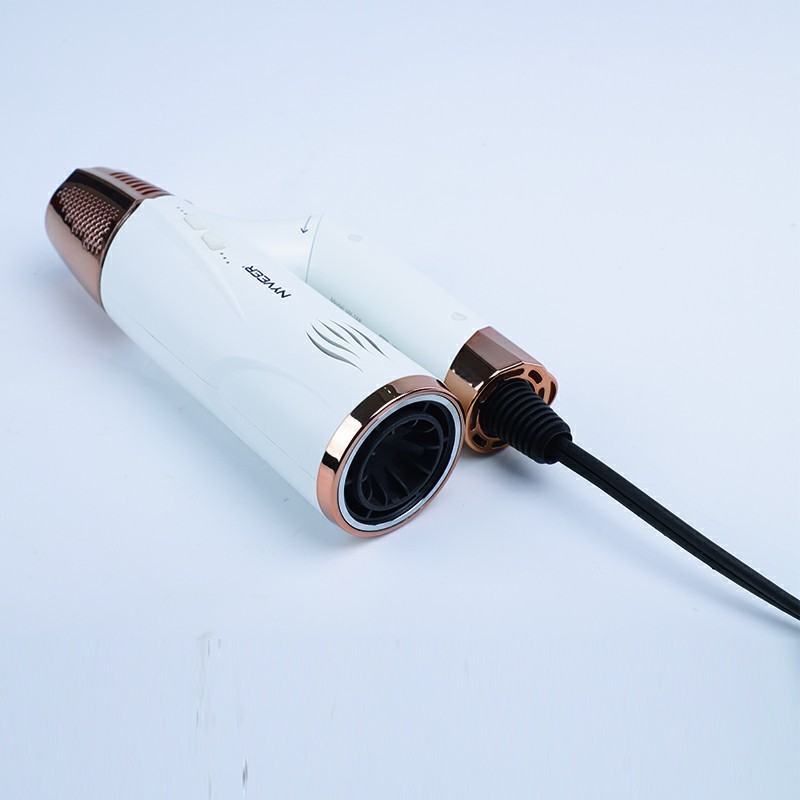

Whether you're a salon owner looking to stock up on high - quality hair dryers or an individual looking for a reliable hair - styling tool, we offer a wide range of ionic hair dryers to meet your needs. We're open to discussing bulk purchases and can offer competitive pricing for large orders. If you're interested in purchasing our products or have any questions about troubleshooting, feel free to contact us. We look forward to working with you to ensure that you have the best hair - styling experience possible.
References
- Manufacturer's user manuals for ionic hair dryers
- General knowledge of electrical appliance repair and maintenance